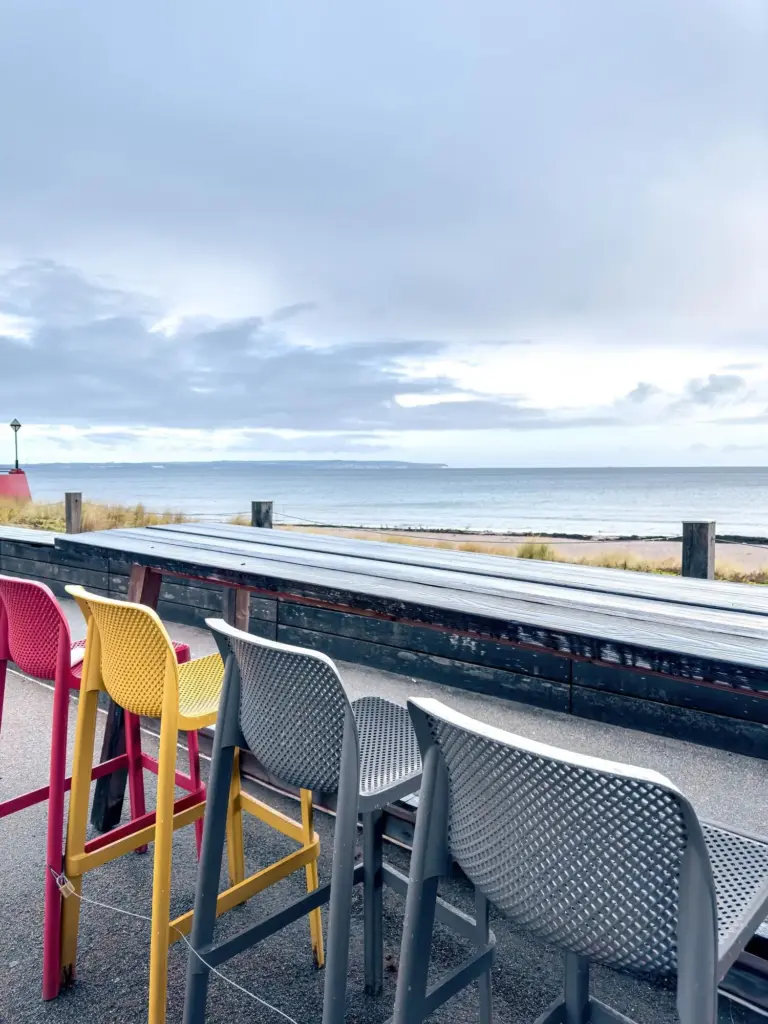
Seaside Stays That Care

Join us as we dive into eco-friendly coastal accommodations near train or bus links in the UK, where car-free arrivals, thoughtful design, and local stewardship meet salt-laced breezes. We’ll share rail-and-bus gateways, practical packing, real stories, and gentle habits that protect dunes, cliffs, and seabirds—so your getaway feels restorative for you, and kinder to the living shoreline communities that host you.

Why Going Car‑Free by the Sea Feels Better

Stepping off a train or bus into coastal light changes the rhythm of arrival. You’re walking, not idling. You hear gulls, not engines. Lower emissions follow naturally, and so does presence: conversations with locals, unhurried detours to a pier café, and a steadier pulse that matches tides instead of traffic.

Reading Between the Green Lines

Labels help, but substance matters. Look for independently verified certifications, transparent energy use, and honest transport directions that privilege the nearest station or bus stop. A responsible coastal stay weaves insulation, renewables, water stewardship, and habitat care with easy public transport, proving comfort can pair beautifully with accountability.

Badges that actually mean something

Third‑party assessments in the UK often examine energy, waste, water, and local sourcing, with clear grading and periodic audits. That history matters more than vague buzzwords. Strong disclosures explain heating systems, supplier choices, and biodiversity measures, translating intentions into measurable action you can feel when you switch on a lamp.

Telltale signs in day‑to‑day operations

Scan for heat pumps or efficient boilers, thick curtains and draft-proofing, refill points replacing single-use plastic, composting or food-waste partnerships, and menus tied to nearby farms or boats. If the welcome email details walking routes from the station, you’re likely stepping into a place where claims meet practice.

Access that centers feet first

Authentically low-impact stays publish precise directions from the closest rail or coach stop, timing in minutes, step-free notes, and rainy-day alternatives. Bonus marks for luggage drop guidance and flexible check-ins, which transform a wet platform arrival into a seamless glide toward tea, towels, and sea-facing windows.

Doorway Stations to Britain’s Shores

Some coastal lines feel like postcards in motion: sea spray flashing beside carriage windows, cliff shadows sweeping over seats, and tiny platforms opening straight to promenades. Bus links extend that magic, reaching coves, islands, and paths where tracks end, stitching together gentle, car-free access all along the UK coastline.

Stays That Leave Only Footprints

The most memorable nights by the water are often the gentlest: buildings hugging existing footprints, reclaimed materials, and balconies angled for winter sun. Hosts who greet you with tide times and refill maps show care runs deeper than décor, shaping rest that honours both people and place.

What to Pack for Salty Air and Low Impact

Multipurpose gear keeps luggage light for platforms and promenades: layers that dry fast, reef-kind sun protection, a compact umbrella, and shoes that grip wet slipways. Add a refill bottle, small power bank, and downloadable timetables, and you’ll stroll from carriage to coast with calm, unflustered ease.


Two Days, No Keys, All Coast

Short breaks flourish without a car when transfers are simple, distances humane, and lodgings welcome damp boots and late trains. These sketches pair rail or coach hops with local buses and generous walking, leaving enough breathing room for serendipity, slow meals, and the call of changing tides.

Travel as a Coastal Guest, Not a Consumer

Fragile dunes, cliff flora, and roosting birds depend on our choices. Stick to paths, mind tides, carry out litter, and keep distance from wildlife. Spend where stewardship is visible, and share gentle tips with fellow walkers—so care multiplies across shorelines, one considerate journey at a time.

Paths, tides, and patient pacing

Respect waymarked routes, especially near crumbling cliffs and shifting sands. Check tide timetables before committing to coves with narrow exits, and leave buffers for bus returns. Slower pacing helps notice eddies, lichen colours, and skylark song—rewards that appear precisely when you stop trying to rush them.

Wildlife etiquette that keeps wonder wild

Use binoculars instead of approaching seals or nests, keep dogs on leads around birds, and avoid dune tops where roots struggle. Quiet steps and distance preserve behaviour you came to witness. Hosts often share seasonal notes; read them, and you’ll watch spectacles without becoming part of the disturbance.
Zavolorikaronilozori
Privacy Overview

This website uses cookies so that we can provide you with the best user experience possible. Cookie information is stored in your browser and performs functions such as recognising you when you return to our website and helping our team to understand which sections of the website you find most interesting and useful.